WASTEWATER TREATMENT
Convince yourself of our products for your wastewater treatment applications worldwide.
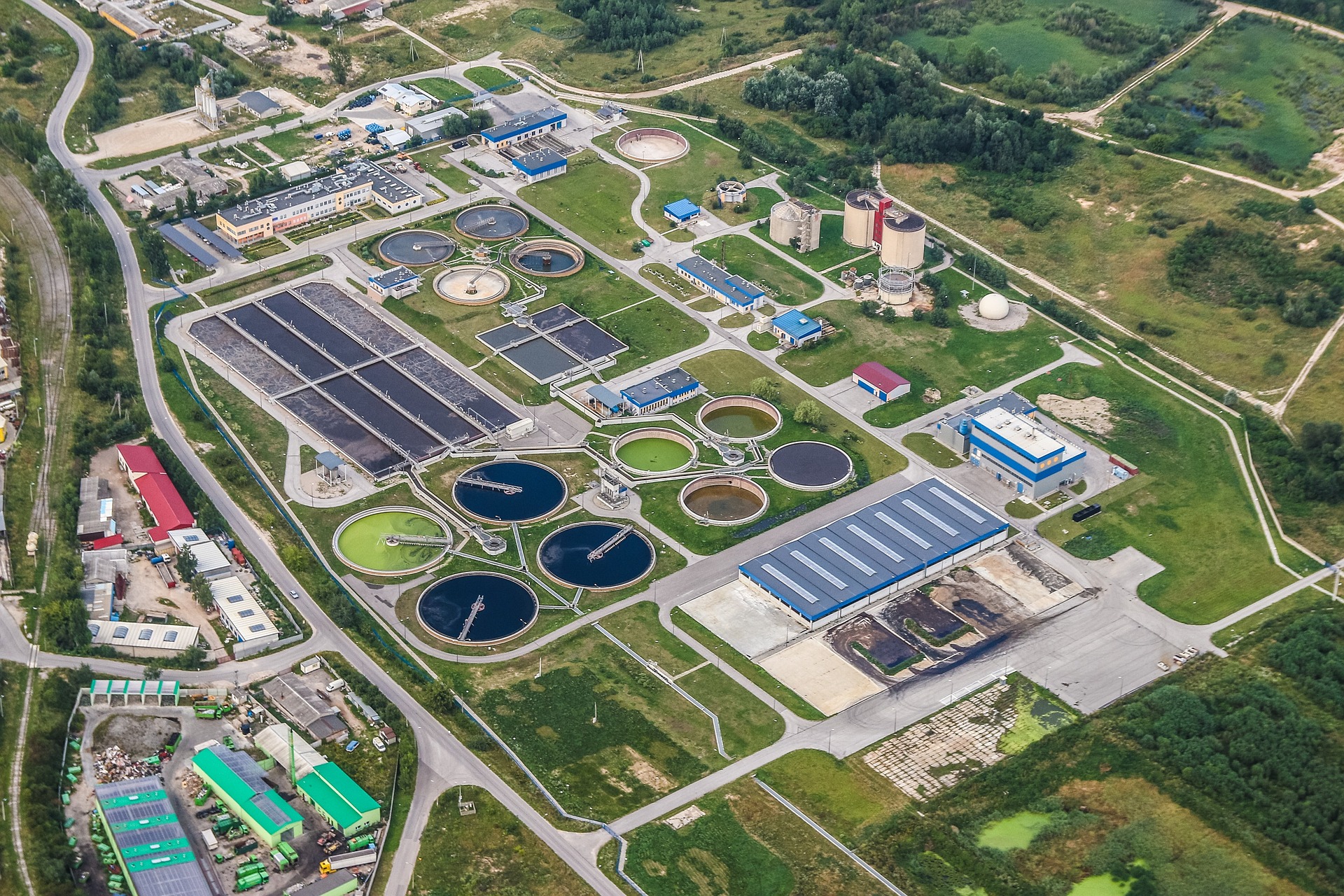
The aim of wastewater treatment is to remove the wastewater constituents and restore the natural water quality. According to § 57 WHG, wastewater must be treated according to the state of the art before being discharged into a body of water (direct discharge). The minimum requirements are specified for certain industrial sectors in the Wastewater Ordinance. The discharge into public wastewater facilities (indirect discharge) is governed by § 58 WHG.
Wastewater treatment is carried out centrally in wastewater treatment plants or previously in decentralised oil separators. A distinction is made between mechanical/physical, biological and chemical cleaning processes. Water that has been used for washing cars or may be contaminated with light liquids (e.g. from a petrol station) must be pre-treated in a separator system before being discharged into the sewer. In addition to treatment in technical sewage treatment plants, wastewater can, under certain circumstances, also be infiltrated into drainage fields, deposited in swales or discharged into wastewater ponds and constructed wetlands.
Wastewater outside the sewer catchment area is treated in small wastewater treatment plants. A distinction is made here between outdated systems without wastewater aeration (DIN 4261 Part 1) and the small wastewater treatment plants with aerated treatment stage required today (DIN 4261 Part 2). On the way from the (indirect) discharger to the wastewater treatment plant, processes take place that change the wastewater. This can lead to the formation of odorous and hazardous substances, such as toxic hydrogen sulphide (H2S), which not only has a negative impact on the wastewater treatment process, but is also largely the cause of unpleasant odours (smells like rotten eggs), poses a danger to humans (H2S is a nerve gas that is lethal even in low concentrations, causing death in a few moments at 1000 ppm[1]) and causes the destruction of wastewater structures and facilities.
These processes can be contained or controlled by taking appropriate measures, such as inter-stage wastewater treatment in drainage systems.
Wastewater produced in water treatment plants is increasingly being recycled in these plants. This increases the net yield of pure water and reduces the amount of residual wastewater to be discharged. Als Beispiel wird hierfür die Spülabwasseraufbereitung in Aufbereitungsanlagen für Trink– und Badewasser angeführt. In areas with water shortages, the partial recycling and reuse of reclaimed wastewater is also economical. However, only the flow and residual wash water quantities that have a lower or the same salt content as the raw water are suitable for this.
As you can see, we deal very intensively with the requirements and problems that our customers face on a daily basis. A large number of companies in special-purpose wastewater disposal organisations trust our quality product solutions in practice. Contact us with your individual requirements for applications in your systems. We will work with you to develop efficient solutions to further reduce the burden on our environment and make your production more efficient and effective.

Interesting facts about wastewater treatment and industrial valves
Wastewater treatment is a critical area of environmental engineering that aims to treat contaminated water from households, industrial plants and agricultural operations so that it can be safely returned to the environment or reused. This process is crucial not only for the protection of water bodies and ecosystems, but also for human health and the sustainability of water resources. Wastewater treatment plants utilise a combination of physical, chemical and biological processes to remove pollutants and clarify the water.
Industrial fittings play a central role in these treatment processes. These fittings include valves, gate valves, butterfly valves and control devices, which are essential for precisely controlling the flow and treatment of water. These components must be robust enough to withstand the often aggressive and corrosive conditions in wastewater treatment plants. They enable the precise control of volume flows, pressure ratios and directional changes of the water, which is crucial for the efficiency and effectiveness of the cleaning processes.
The correct selection, installation and maintenance of industrial valves is crucial for the smooth operation of wastewater treatment plants. Advances in material science and automation technology have helped modern industrial valves become increasingly reliable, durable and energy efficient. These improvements not only help plants meet higher purification standards, but also reduce operating costs and minimise environmental impact.
All in all, industrial valves are indispensable components in wastewater treatment, playing a crucial role in ensuring that treated water fulfils legal and environmental requirements and thus helps to protect our most valuable resource.

Interesting facts about water treatment and industrial and environmental protection products
Wastewater treatment is a fundamental process in modern environmental engineering that aims to treat wastewater from households, industry and agriculture so that it can either be safely returned to the environment or treated for further use. These processes are critical to protecting water quality, preserving ecosystems and promoting public health. They involve complex physical, chemical and biological techniques that cleanse and treat the water of pollutants.
In this context, SORB XT’s occupational safety and environmental protection products offer important tools to support wastewater treatment processes. Products such as SORB XT mobile containments, fibre binders and ecological cleaners play an essential role in ensuring effective and safe wastewater treatment. SORB XT mobile containments provide a practical and flexible solution for collecting spillages or excess liquids, which is particularly important to avoid contamination of the environment and the water treatment facilities themselves.
SORB XT fibre binders are specially designed to effectively absorb oils and other hydrophobic substances. They are particularly useful in wastewater treatment as they help to contain contaminants quickly and efficiently, increasing the safety and efficiency of the treatment process. Ecological cleaners from SORB XT complement this range by providing an environmentally friendly option for cleaning plant and equipment. These products are free from harmful chemicals and are ideal for effectively cleaning plant and tools without harming the environment.
The integration of these specialised products from SORB XT into wastewater treatment demonstrates a commitment to environmental protection and occupational safety. They enable wastewater plants to not only increase their efficiency but also minimise the environmental impact of their processes. This goes a long way to promoting sustainable practices in wastewater treatment and ensuring that treated water meets stringent environmental standards.
More information at www.sxt-deutschland.de
We recommend the following quality products from our brands for your industry:

DÜRHOLDT
High-quality pinch, diaphragm, and shut-off valves for demanding industries.
Hose-diaphragm valves
Hose pinch valves
Actuators
Safety valves

BK-ARMATUREN
Reliable valve solutions for safe and efficient process control
Butterfly valves
Schieber
Ball Valves

AIRACT – DIRECT
Specializing in pinch valves for precise and durable applications.
Hose pinch valves

SORB XT – Workplace Safety & Environmental Protection
Innovative products for safety, efficiency and environment.
Fiber binders
Stain Solution Pro
Pipes & Pillows
Containments
Interesting facts about wastewater treatment and industrial valves